

| Name | Godbreakers |
| Engine | Unreal Engine 5 |
| Platform | PC, PS5 |
| Time | 1 year |
My contributions
- Quests, Quests system
- Interactive props, shops
- Lore development
- Repeat play-through value
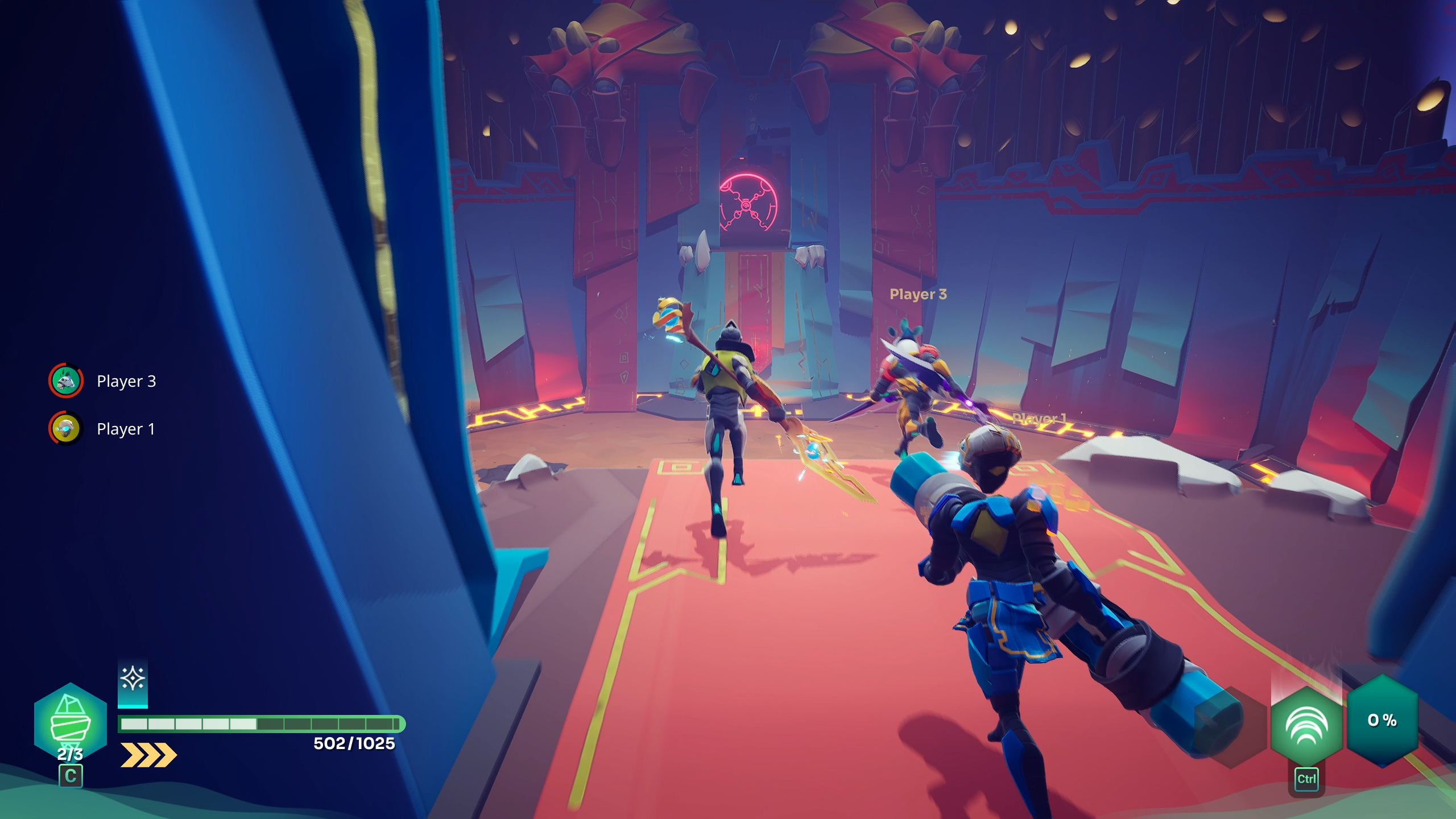
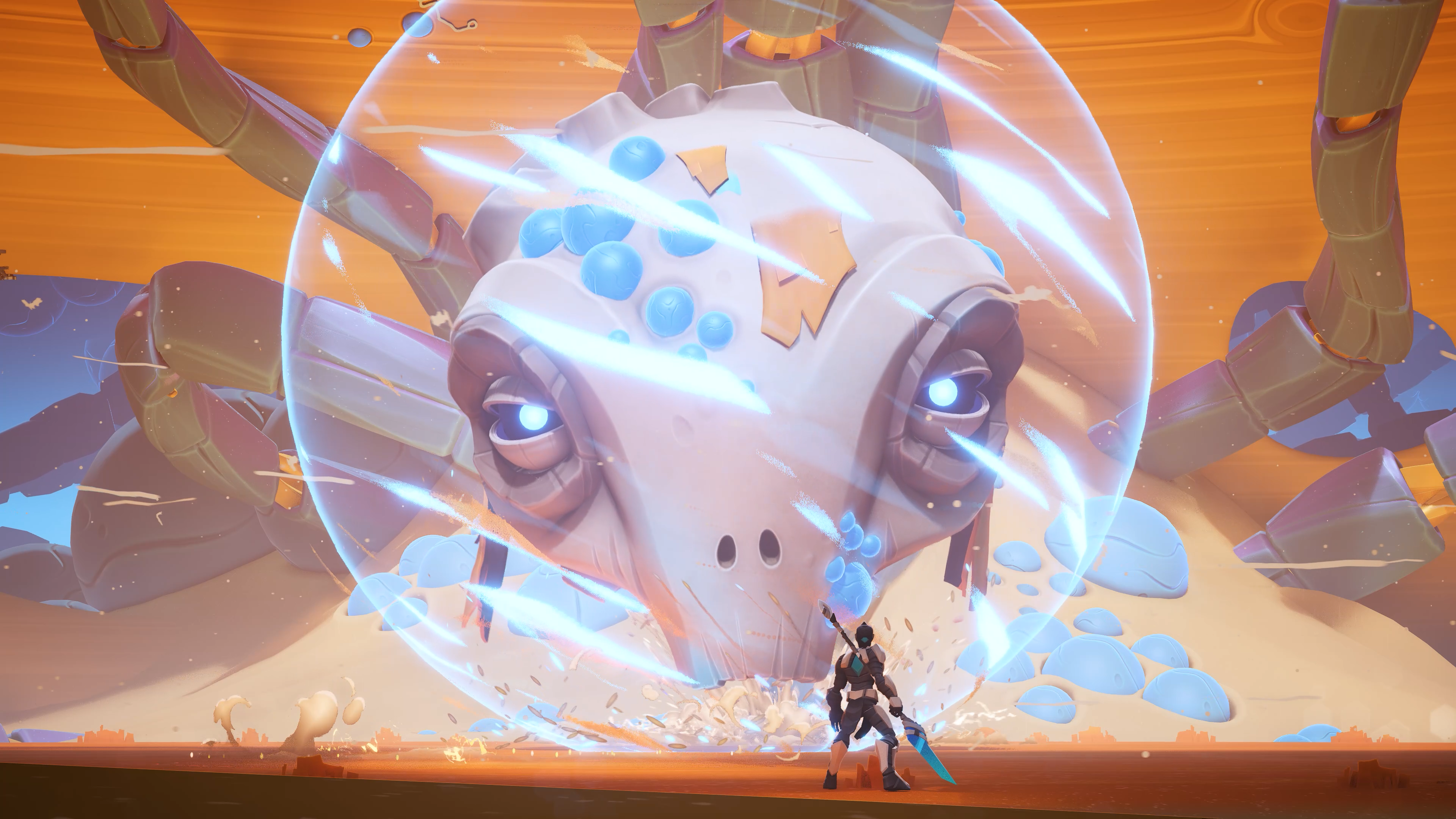
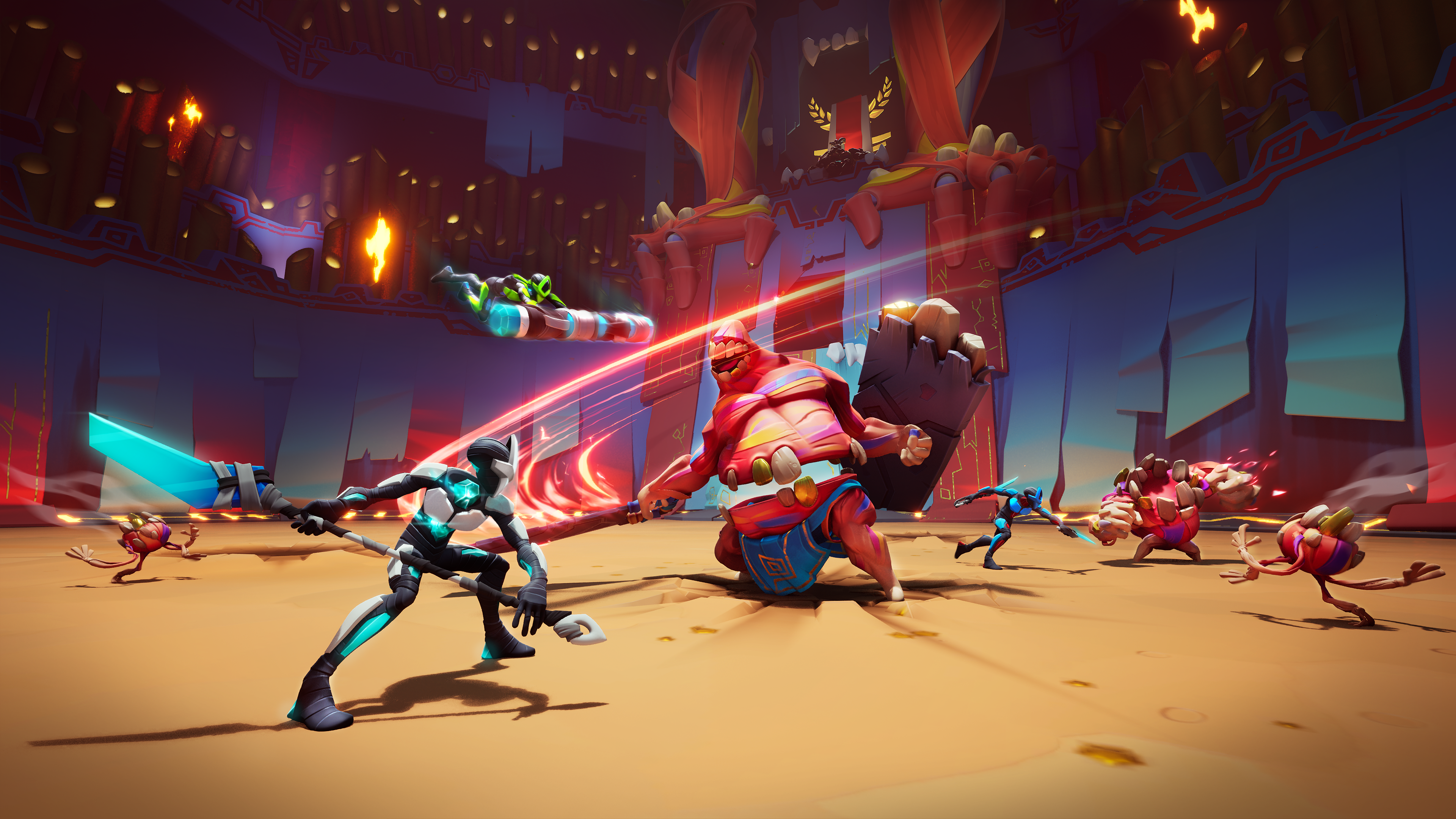
Godbreakers is a fast-paced co-op action roguelike where you absorb enemy powers to unleash devastating Godbreaks. Choose from unique Archetypes, battle through shifting biomes, and face colossal bosses in fluid, cancel-based combat. Play solo or in four-player co-op, refining builds each run for endlessly replayable, high-impact, skill-driven action.
Overview

Role: Gameplay Designer
Engine: Unreal Engine 5
The Challenge
In an independent development environment, the goal was to create a cohesive world where narrative goals felt integrated with systemic gameplay. I was responsible for moving beyond static content to build a dynamic world state that prioritized player retention and meaningful progression.
Technical Impact and Implementation
- Systemic Quest Architecture: I designed and implemented the quest logic using UE5 Blueprints, moving away from linear scripts toward a more flexible, data-driven system. This allowed for quests that could react to world states and player actions, significantly increasing the depth of the narrative experience.
- NPC AI and Behavior Trees: I developed the NPC AI frameworks, utilizing Behavior Trees and Blackboard components. My focus was on creating “living” NPCs that had distinct daily routines and reactive behaviors, which served to ground the player in the world and make exploration feel unscripted and rewarding.
- Retention-Driven Design: I challenged the core gameplay loops specifically to drive long term engagement. By balancing reward frequency with quest difficulty curves, I ensured a steady sense of “one more quest” progression. I focused on the “Maker” side of retention: ensuring the technical UI feedback and reward triggers felt inherently satisfying.
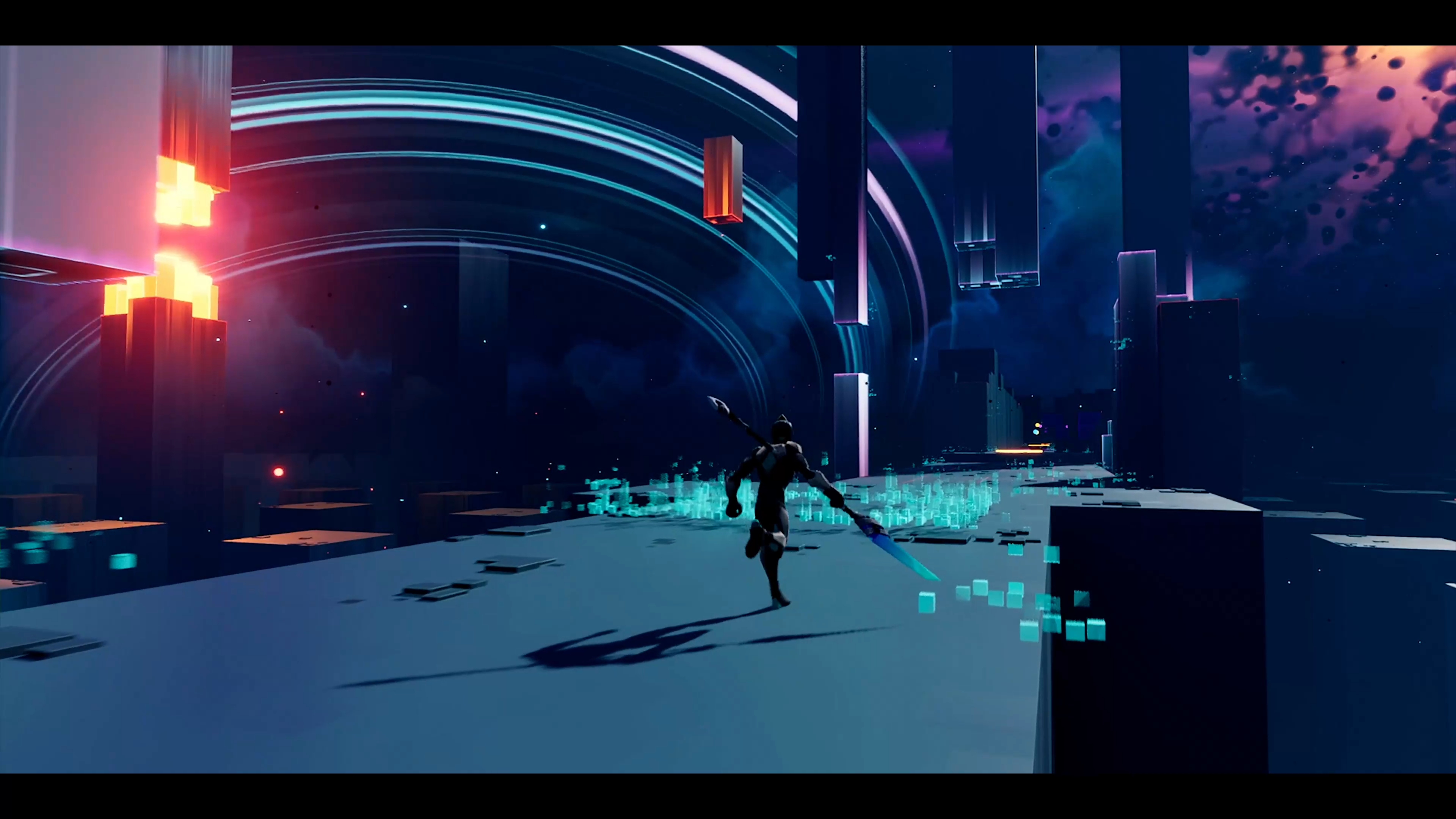
- Technical “Juice” in UE5: Even outside of combat, I applied AAA-level polish to movement and interaction. I implemented responsiveness logic to ensure that navigating the world and interacting with it felt snappy and professional, removing the “clunkiness” often found in indie titles.
Quest & Progression System
Design intent
Godbreakers is built for pace: absorb enemy powers, unleash Godbreaks, and cut through bosses across shifting biomes-solo or up to four-player co-op. The quest and progression layer had to motivate play without slowing that combat loop. My goals were to:
- Give every run a clear purpose (micro-goals) while supporting longer arcs (macro progression).
- Reinforce build-crafting and archetype exploration rather than pulling players into menus.
- Keep story delivery lightweight-context through play, not cutscenes-so momentum stays intact.
System pillars
Run-first pacing
Quests are authored as “performed through action.” Objectives are things you do during the fight-e.g., trigger power-absorption thresholds, test an archetype’s capabilities against specific encounter types, or meet skill-based conditions in boss phases-so they naturally piggyback on combat and never require out-of-flow detours. The cancel-actions combat model means we can set precision goals without UI bloat.
Quest taxonomy that maps to playstyles
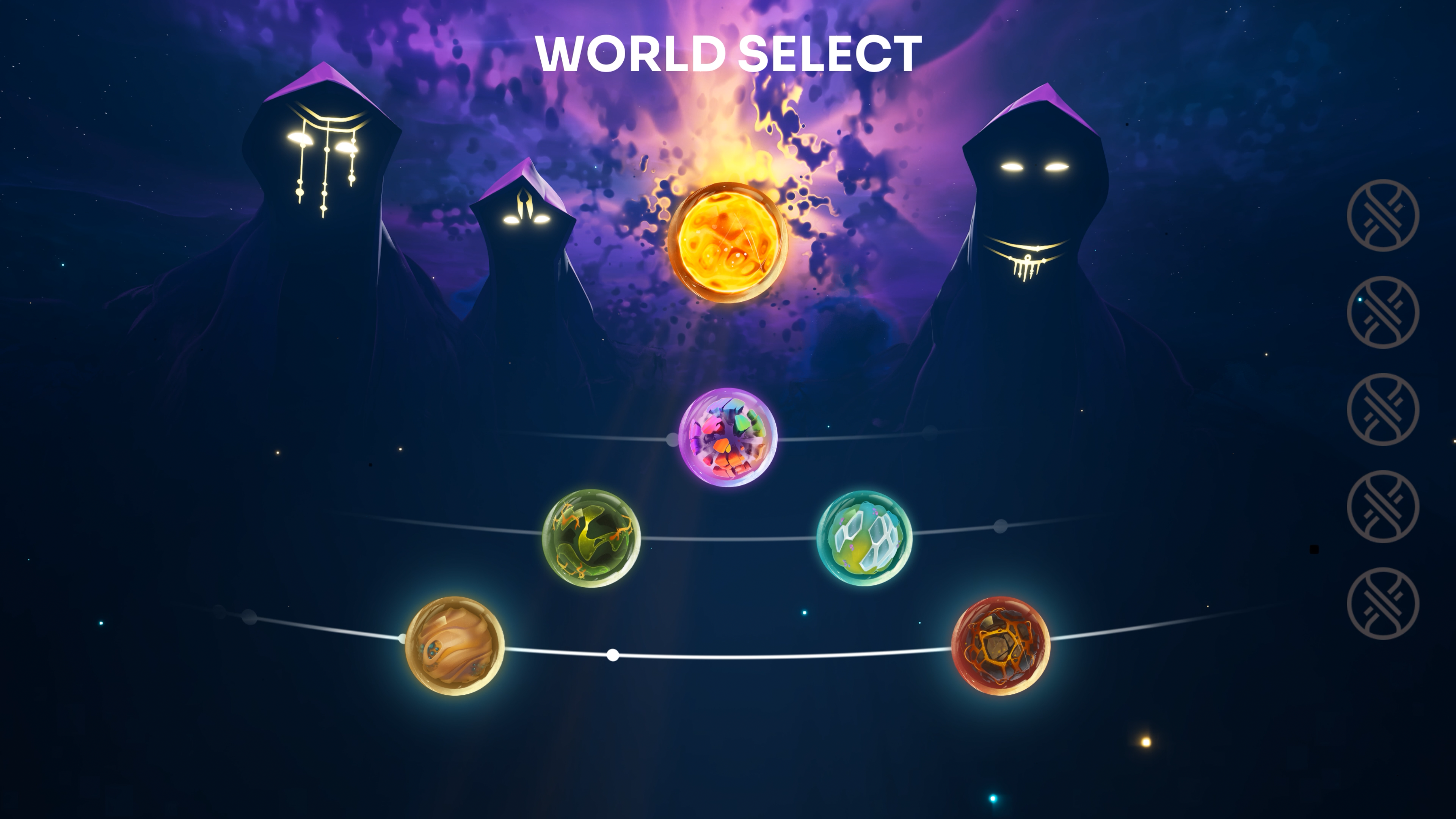
- Macro quests (Hub-level progression): Gate broader milestones like biome access, feature reveals, or archetype availability. These form the spine of a season/patch cycle without forcing linear paths.
- Run-anchored quests (micro goals): Short objectives that frame this run-e.g., “absorb and deploy X power within Y window,” “complete a boss phase constraint,” or “validate a build concept.” These keep repetition purposeful.
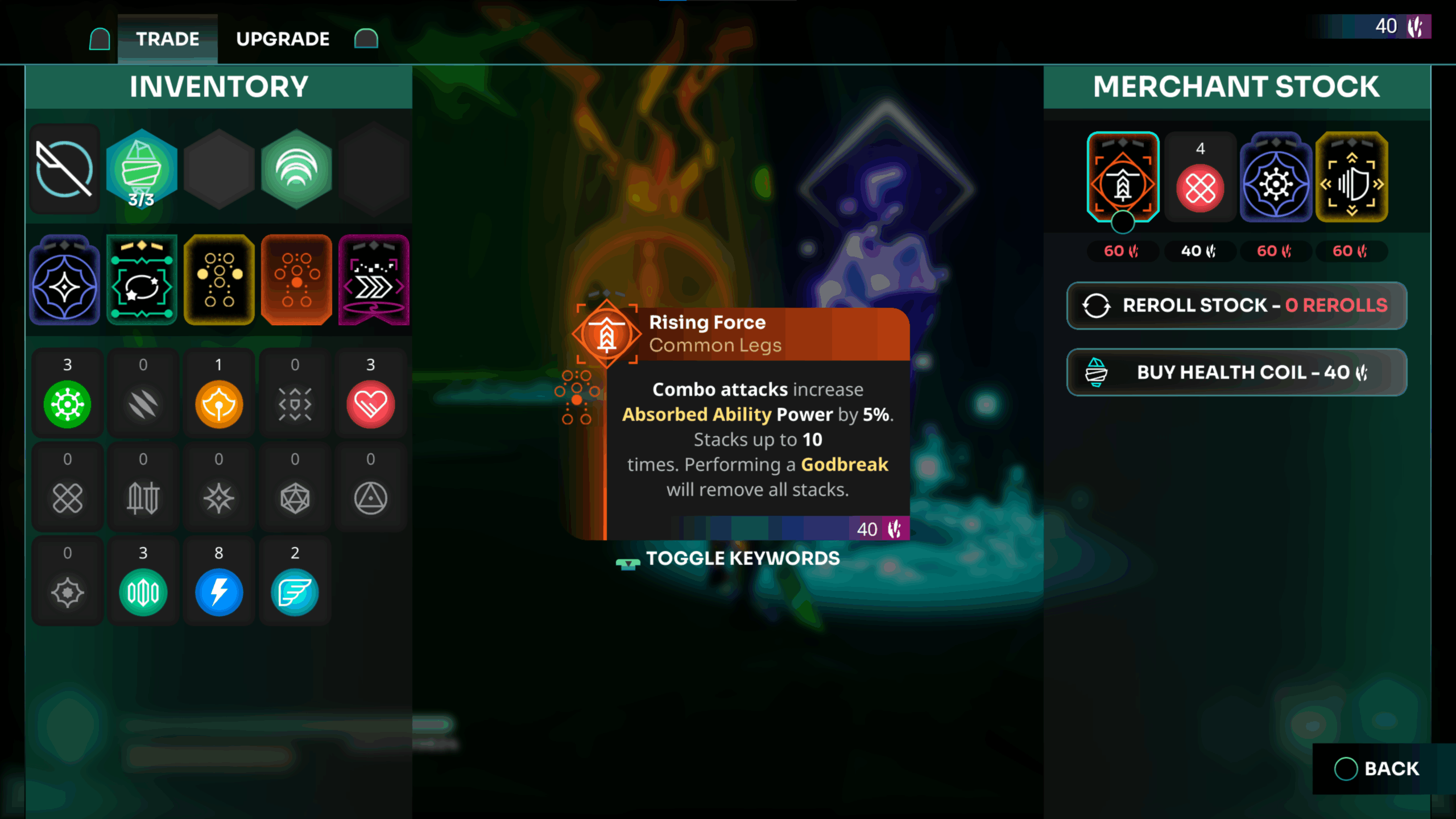
- Repeatable challenges: Optional loops for mastery and retention (kill/clear thresholds, no-damage segments, variant modifiers). Rewards emphasize build breadth (items, modifiers) or visual identity, not just raw power, so difficulty stays healthy over time.
Progress tree, not a track
Progression branches instead of rails. Finishing one quest can unlock multiple next steps: a new biome to push into, an archetype to explore, or a modifier that nudges you toward a different combat pattern. This keeps co-op teams from “desync friction” while still giving groups a shared direction.
Build-crafting integration
Quests double as scaffolding for experimentation. They nudge players to try new archetypes and item synergies (e.g., the Twin Blade archetype’s timing windows or backstab windows) and to sample biome-specific demands (like Sabboath’s harsher attrition). Objectives are tuned to surface a mechanic’s edge, not to create grind walls.

Authoring & implementation workflow
- Beat → Behavior: Start from a users moment (new archetype, biome quirk, or boss mechanic). Write an objective that makes the player demonstrate understanding of that beat inside a run.
- Difficulty curves: Three-pass validation: discoverability (can players see the path?), execution (does the objective fit the combat cadence?), and mastery (is there a higher-ceiling variant for repeatables?).
- Reward mapping: Tie completions to breadth-items, modifiers, archetype access-so success unlocks more ways to play rather than only stat inflation.
- UI/UX: Keep on-run prompts minimal and readable: a single-line objective, compact status pips, and boss-phase callouts that don’t collide with combat tells.
- Data-informed iteration: Track abandonment points per objective, rerun failures by archetype, and time-to-complete per biome. Iteratively trim friction (overlong multi-step chains got compressed; some “perfect-execution” asks got optional variants).
What worked
- Purpose per run: Micro goals turned “one more run” into “one more attempt at a specific skill or build,” which helped both solo and co-op engagement.
- Low-friction storytelling: Context via codex/snippets attached to completions preserved flow while still giving shape to the world.
- Co-op elasticity: Because quests focus on what you do in the fight, they scale cleanly from solo to squads without bespoke scripting every time.
What I’d push further
- Quest variance by build archetype: More dynamic variants that recognize your equipped archetype and swap in a fitting objective (e.g., timing-based for precision kits vs. throughput-based for brawlers).
- Boss-phase objectives: Lean harder into objectives that key off multi-phase boss behaviors, since those already structure runs naturally.
- Post-run reflection: A lightweight “why this mattered” summary improves learnability without adding pre-run overhead.
Outcome
A quest layer that respects Godbreakers’ identity: ferocious, fluid combat where you steal power mid-fight, craft your build, and tackle big bosses across distinct biomes-now with clear goals and progression that live inside the action instead of beside it.